
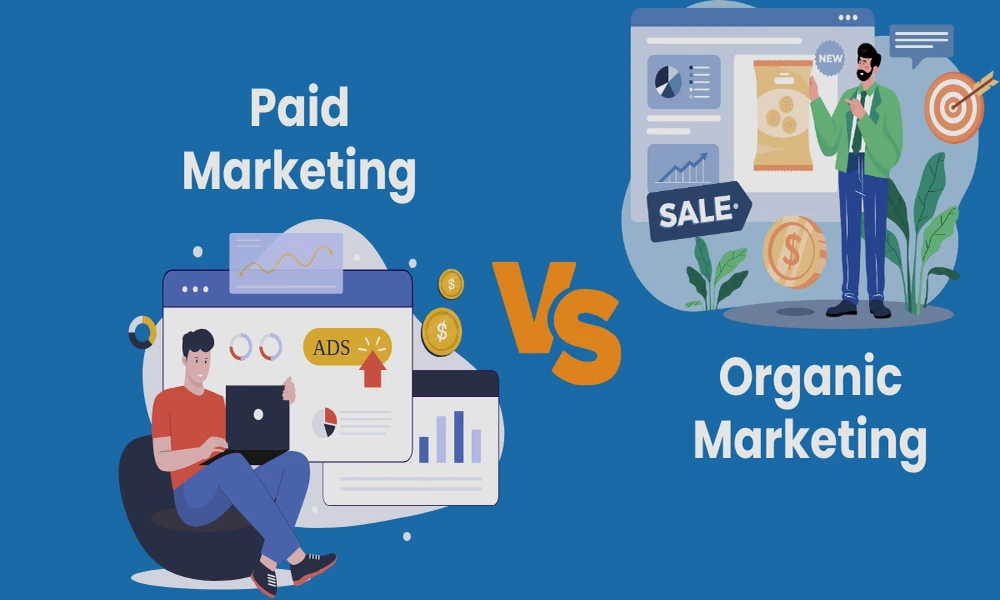
Every business owner eventually asks this question: should I spend money on ads, or just keep posting and let things grow naturally? The honest answer is that it depends on your goals, timeline, and budget – but understanding the real differences helps you make a smarter call instead of guessing.
What Organic Marketing Actually Offers
Organic social media growth relies on consistent, valuable content that earns engagement without paid promotion. It builds trust over time and tends to create a more loyal audience, since people are following you by choice rather than being served an ad. The catch is that it’s slow. Algorithms on most platforms limit organic reach, meaning even a well-crafted post might only be seen by a small percentage of your existing followers.
Organic marketing works best as a long game – building brand credibility, answering audience questions, and staying visible without a direct ask for a sale every time.
Where Paid Social Media Advertising Wins
Paid social media advertising flips the equation. Instead of waiting for reach to happen naturally, you’re paying to put your content directly in front of a specific, targeted audience. This is particularly powerful when you need fast results – a product launch, a seasonal sale, or lead generation for a new service.
Platforms allow incredibly precise targeting based on interests, behaviour, location, and even past interactions with your website. For businesses that rely on quick conversions, especially in e-commerce, social media advertising for ecommerce has become one of the most reliable ways to drive immediate traffic and sales, since ads can be shown to people who’ve already browsed your products but didn’t complete a purchase.
Comparing the ROI Realistically
Organic content typically costs less in direct spend but requires more time, consistency, and creative effort to see meaningful results. Paid campaigns cost money upfront but can generate measurable, trackable returns much faster – you know exactly how much you spent and what it generated in clicks, leads, or sales.
The mistake many businesses make is treating these as an either-or decision. In reality, the strongest results usually come from combining both. Organic content builds the brand story and trust, while paid ads accelerate reach and conversions for specific goals like a product launch or event promotion.
The Role of Proper Campaign Management
Running ads without a clear strategy is one of the fastest ways to waste a marketing budget. Effective social media campaign management involves testing different audiences, creatives, and messaging, then doubling down on what actually performs instead of running the same ad indefinitely. Small adjustments – a different image, a shorter caption, a clearer call to action – can significantly change results.
This is where working with a professional digital advertising company can make a real difference, particularly if you don’t have the internal bandwidth to monitor campaigns daily and optimise them based on live data.
A Practical Way to Split Your Budget
A reasonable starting point for many small and mid-sized businesses is allocating a majority of the marketing budget toward paid campaigns in the early stages, when brand awareness is low and immediate leads matter most, while gradually shifting a larger share toward organic content as the brand builds recognition and a loyal following. This ratio isn’t fixed – it should shift based on what your monthly reporting actually shows about which channel is driving real business results.
It also helps to set aside a small testing budget separate from your main campaign spend, specifically for trying new formats, audiences, or creative angles. This way, experimentation doesn’t put your core, proven campaigns at risk while you figure out what else might work even better.
So, Which One Should You Choose?
If you’re a new business trying to build long-term credibility, organic content deserves serious investment. If you need quick, measurable results – especially for sales-driven goals – paid advertising is usually the faster path. Most successful brands don’t pick one over the other; they use organic content to build trust and paid campaigns to accelerate growth at the right moments.
Final Thoughts
There’s no universal winner between paid and organic social media marketing – the right mix depends on your business stage, goals, and budget. What matters most is measuring performance honestly and adjusting your approach based on actual data, not assumptions about what should be working.