

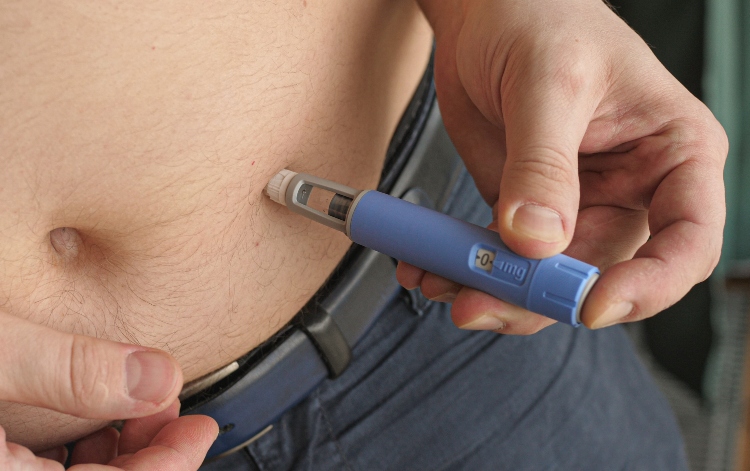
In recent years, semaglutide has taken center stage in the conversation around medical weight loss. Originally developed to manage type 2 diabetes, semaglutide is now widely recognized for its ability to aid in substantial weight loss when administered as a once-weekly injection. Commonly known by brand names like Ozempic and Wegovy, semaglutide shots are being prescribed to a growing number of people who are seeking safe and effective ways to shed pounds that diet and exercise alone haven’t addressed.
What Is Semaglutide?
Semaglutide is a type of GLP-1 receptor agonist, which means it mimics a hormone in your body that helps regulate appetite and blood sugar levels. When you eat, your body naturally releases GLP-1 to signal fullness and slow digestion. Semaglutide enhances this response, making you feel fuller sooner and for longer. This not only reduces overall food intake but also helps stabilize blood sugar levels.
Initially, semaglutide was prescribed under the brand name Ozempic to help people with type 2 diabetes manage their blood sugar. However, clinical trials revealed a significant secondary benefit: weight loss. This led to the development and approval of Wegovy, a higher-dose version of semaglutide designed specifically for chronic weight management.
How Semaglutide Shots Work
Semaglutide shots are injected subcutaneously once a week, typically in the abdomen, thigh, or upper arm. The dosage starts low to minimize side effects and is gradually increased over a few weeks. Most patients begin to notice weight loss within the first month or two of treatment, with more dramatic changes occurring over time as the dosage stabilizes and lifestyle adjustments are implemented.
The medication works on multiple fronts. It reduces appetite, delays gastric emptying (so food stays in your stomach longer), and regulates insulin production. This combination not only aids in weight loss but also supports metabolic health, which is why it’s still used for diabetes treatment.
Who Is a Good Candidate?
Semaglutide shots are not for everyone, but they can be particularly helpful for people with a body mass index (BMI) of 30 or higher, or 27 and higher if they also have a weight-related condition such as hypertension, type 2 diabetes, or high cholesterol. Before prescribing semaglutide, a healthcare provider will typically evaluate your full medical history, current medications, and weight loss goals.
It’s important to note that semaglutide is not a quick fix. It’s designed for people who are ready to make long-term lifestyle changes, including healthier eating habits and increased physical activity. When combined with these efforts, semaglutide can be a powerful tool in a comprehensive weight loss strategy.
Benefits Beyond Weight Loss
While most people pursue semaglutide for its weight loss potential, the medication offers a host of other benefits. Clinical trials and real-world evidence have shown improvements in:
- Blood sugar control
- Blood pressure reduction
- Improved cholesterol levels
- Lower risk of cardiovascular events
For individuals with type 2 diabetes or prediabetes, these benefits can be life-changing. Additionally, semaglutide may reduce inflammation and improve liver function in people with nonalcoholic fatty liver disease (NAFLD), a common condition linked to obesity.
Potential Side Effects
As with any medication, semaglutide comes with potential side effects. The most common ones are gastrointestinal and include nausea, vomiting, diarrhea, constipation, and abdominal discomfort. These are usually temporary and can be minimized by slowly increasing the dosage and taking the shot with or after meals.
More serious but rare side effects include pancreatitis, gallbladder disease, and kidney problems. There is also a black box warning about the potential risk of thyroid tumors, although this has primarily been seen in rodent studies and not confirmed in humans.
Regular follow-ups with your healthcare provider are essential when using semaglutide to monitor your response and adjust the dosage if needed.
How Much Weight Can You Lose?
In clinical trials, participants using semaglutide for weight loss lost an average of 15% of their body weight over 68 weeks, with some individuals losing even more. These results far exceed the weight loss typically achieved with diet and exercise alone or even with other weight-loss medications.
However, individual results can vary based on several factors, including adherence to lifestyle changes, baseline weight, metabolic rate, and any underlying health conditions.
Cost and Accessibility
One of the biggest challenges with semaglutide shots is their cost. Without insurance, they can run several hundred dollars per month. Even with insurance, coverage varies widely, especially for people using the medication solely for weight loss rather than for diabetes. It’s important to talk with your provider about generic options, patient assistance programs, or alternative medications if cost is a concern.
The Role of Medical Supervision
Semaglutide should always be prescribed and managed by a qualified healthcare provider. This ensures that you’re an appropriate candidate and that your progress can be monitored safely. Whether you’re seeing a primary care doctor, endocrinologist, or a weight loss specialist, make sure you’re getting guidance tailored to your specific needs.
Combining Semaglutide with Other Therapies
While semaglutide shots are highly effective on their own, many weight loss clinics pair them with additional treatments such as behavioral counseling, meal planning, and fitness coaching. This holistic approach helps patients build sustainable habits that extend beyond the duration of the medication.
Some clinics also offer compounded semaglutide formulations that may include other ingredients like vitamin B12 to reduce nausea. While these alternatives may be more affordable, they are not FDA-approved and should be used with caution and under medical supervision.
What to Expect in the First Few Weeks
Most patients start with a 0.25 mg weekly dose and slowly increase it to 1.0 mg or more, depending on their goals and tolerance. During the first month, weight loss may be modest, and side effects like nausea may occur. However, by weeks five and six, most users report feeling more in control of their eating habits, and the number on the scale often begins to move more steadily.
Your provider may ask you to track your meals, activity, and weight changes. This information helps customize your care and ensures the treatment is working as intended.
Is It Worth It?
For many people struggling with obesity, semaglutide offers a new pathway to improved health and quality of life. The results are often dramatic and sustainable, especially when paired with real lifestyle changes. Still, it’s not a magic bullet. Patients need to be prepared for a long-term commitment that includes dietary changes, physical activity, and regular check-ins with their provider.
Whether you’re exploring semaglutide shots for weight management or for managing a chronic condition like diabetes, having a clear understanding of the risks and benefits is essential. Ask questions, do your research, and work closely with a healthcare provider you trust.
Final Thoughts
Medical weight loss options like semaglutide are transforming the landscape of obesity treatment. While not without risks or challenges, semaglutide shots are helping thousands of people reach goals that once felt out of reach. If you’re considering semaglutide weight loss in Katy or elsewhere, be sure to consult with a knowledgeable provider who can guide you on the best path forward.